In today’s increasingly globalized workplaces, teams are composed of members who speak a wide variety of languages. While major languages such as English, Spanish, Mandarin, and German enjoy robust support in collaboration tools, many smaller languages—Finnish, Ukrainian, Polish, and others—receive far less attention. As a result, multilingual teams frequently find themselves defaulting to English, even when it isn’t the preferred language of most participants. The challenges that arise when “out‑of‑the‑box” language support is missing are the need of translation of individual words and phrases and the bottleneck that becomes in diminished productivity.
English dominates because most SaaS (Software as a Service) platforms ship with it as the primary locale, official documentation and community forums are overwhelmingly English‑centric, and many companies list English proficiency as a hiring requirement. Teams often assume that switching to English eliminates translation overhead, even though it may marginalize non‑native speakers and suppress diverse viewpoints that could enrich the work.
When collaboration tools lack built‑in support for smaller languages, users are forced to navigate menus, help files, and error messages in a language they don’t read fluently. This slows onboarding, increases the likelihood of mistakes, and adds a constant cognitive load. Without spell‑check, autocorrect, or machine‑translation APIs, team members must resort to external dictionaries or copy‑paste translations, which fragments the workflow and reduces overall productivity.
Small‑language speakers should not have to abandon their native tongues to collaborate effectively. By recognizing the hidden costs of missing language support, addressing word‑level translation challenges, and adopting concrete, low‑overhead strategies, organizations can create environments where every voice is heard.
Linqa already provides a solid foundation for bilingual work: a digital whiteboard where documents can be uploaded, a parallel chat that shows original text alongside automatic translations between two out of nine languages. Because Linqa’s source code is released under the AGPLv3 license, teams can add custom language, embed additional translation services, and host the platform internally if needed.
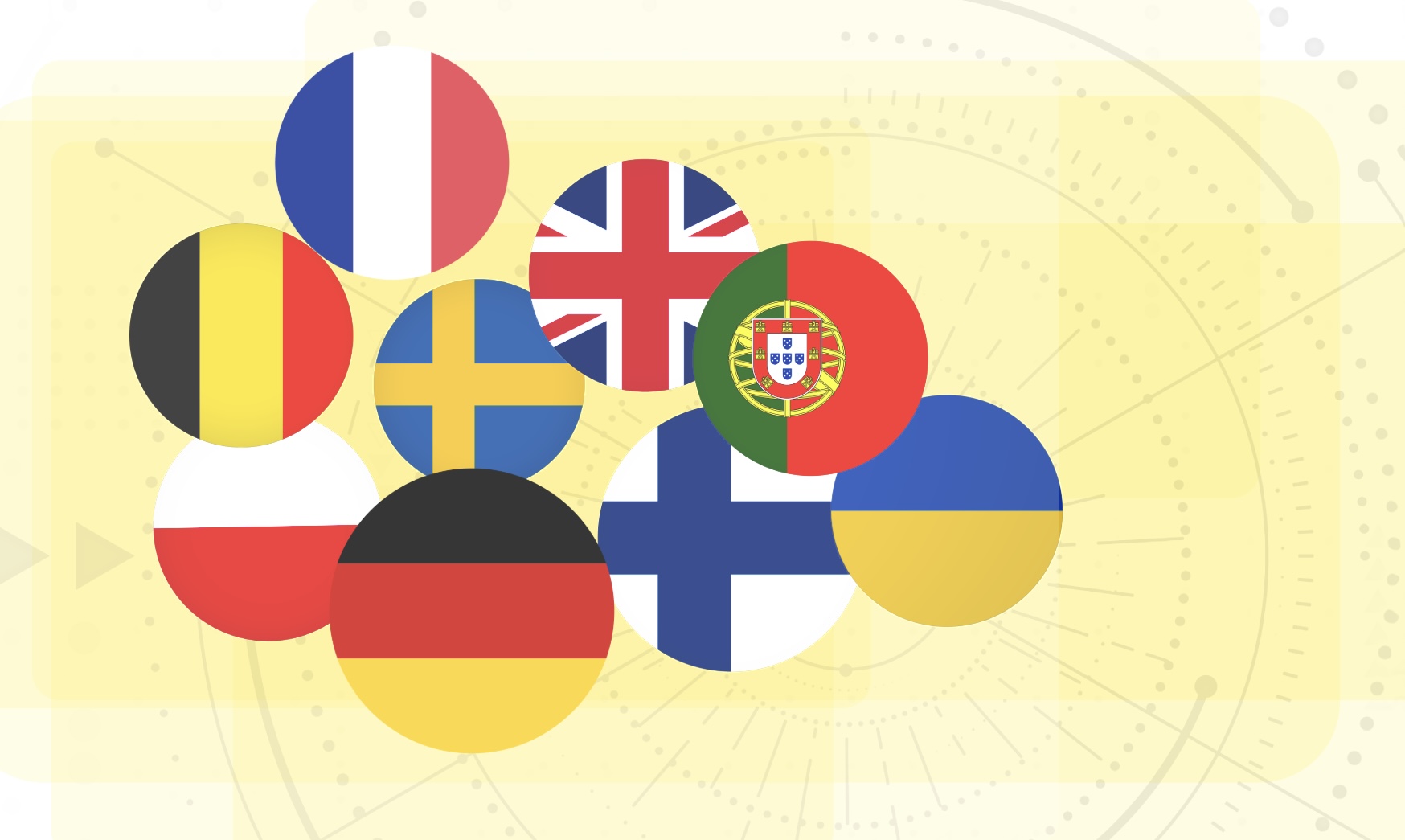
Linqa currently supports nine languages—Finnish, Ukrainian, English, German, Spanish, Polish, Portuguese, French, and Swedish—and it’s designed so additional languages can be added easily to meet the specific needs of any client or organization.
Ready to experience the benefits? Sign up for a FREE trial and discover how Linqa can transform the way your team communicates.